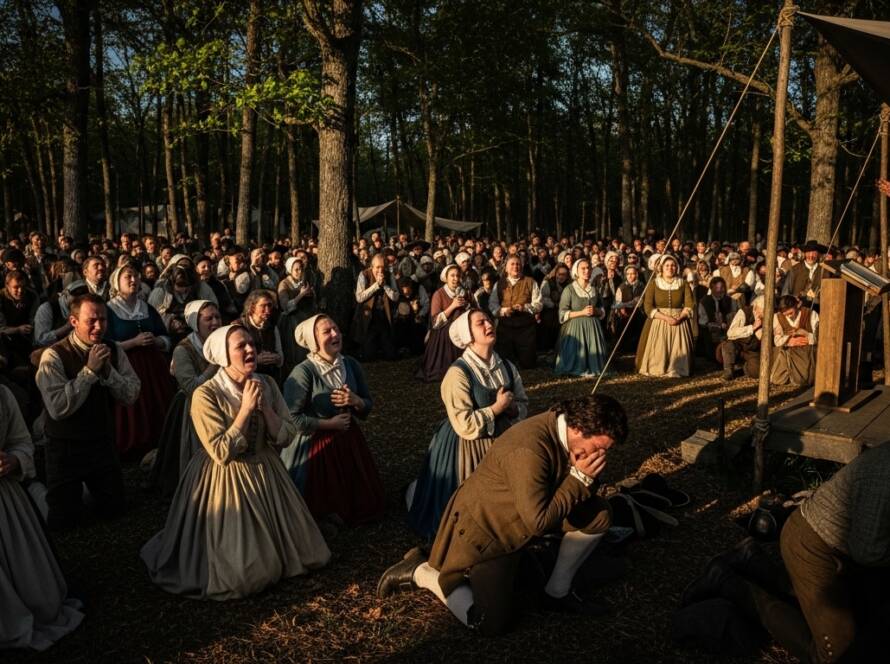
It did not begin as what many would call a revival. There were no sudden outbreaks, no overwhelming gatherings, no single moment that marked a clear start. Instead, it grew slowly through the influence of the Scripture Union, as students and young believers were introduced to a simple but demanding lifestyle built around God’s Word.
In schools across Nigeria and other parts of West Africa, small groups began to form. They met regularly, often in classrooms, under trees, or in hostels, with open Bibles and a shared commitment to take their faith seriously. At first, it looked ordinary. But something deeper was taking root.
The emphasis was clear and consistent. Daily quiet time was not optional. Scripture reading was structured and intentional. Sin was addressed personally, not ignored. Over time, this created an environment where faith could not remain shallow. You either grew… or you were confronted.
What began as discipline slowly turned into conviction.
Students started waking early, sometimes before dawn, just to spend time in prayer. It was common to find someone alone with their Bible while others slept. In fellowship meetings, testimonies were not rehearsed. People spoke honestly about struggles, failures, and victories. There was a culture of openness that made it difficult to hide behind appearances.
Camps became defining moments. During these gatherings, teachings went beyond encouragement. They called for surrender, obedience, and a life fully yielded to God. Many decisions that shaped destinies were made in those quiet, intense moments, away from noise and distraction.
Another defining mark was accountability. Believers watched over one another, not in judgment, but in sincerity. If someone was drifting, it was addressed. If someone was growing, it was encouraged. Faith became something lived together, not just practiced individually.
Over time, the effect became visible. Schools began to change. The seriousness of these students stood out. Their speech, conduct, and priorities reflected something different. It was not forced. It was formed.
Many who passed through this movement carried its imprint into adulthood. They became pastors, teachers, missionaries, and leaders across different spheres. Even outside ministry, their lives reflected discipline, integrity, and a deep-rooted faith that had been built over years, not moments.
This was the strength of it.
It was not loud…
but it lasted.
🌱 What It Produced
• Deeply rooted believers shaped by consistent Scripture intake
• A culture of daily quiet time and spiritual discipline
• Radical honesty and accountability among young Christians
• Leaders formed early with strong foundations
• Long-term impact across churches, institutions, and society