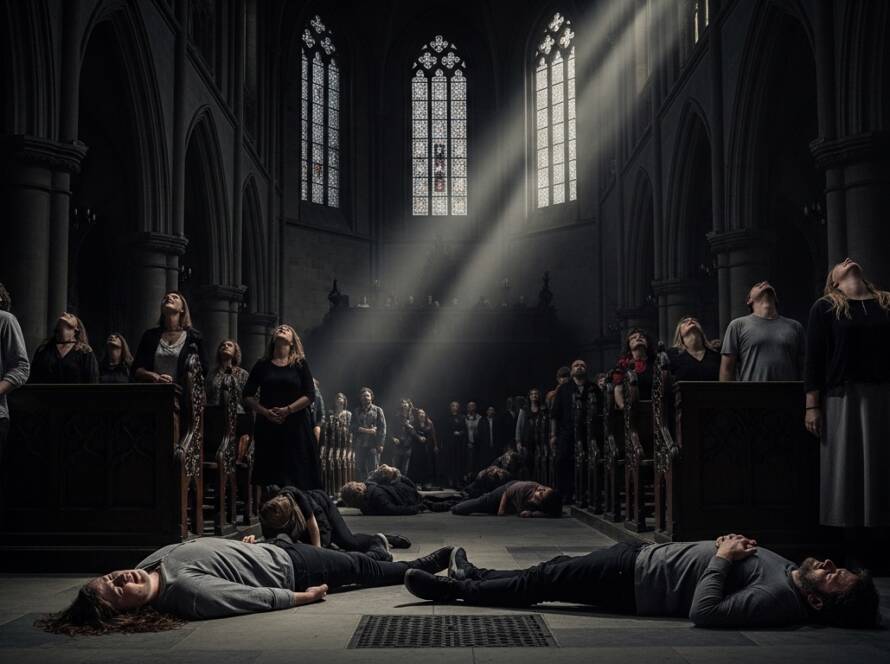
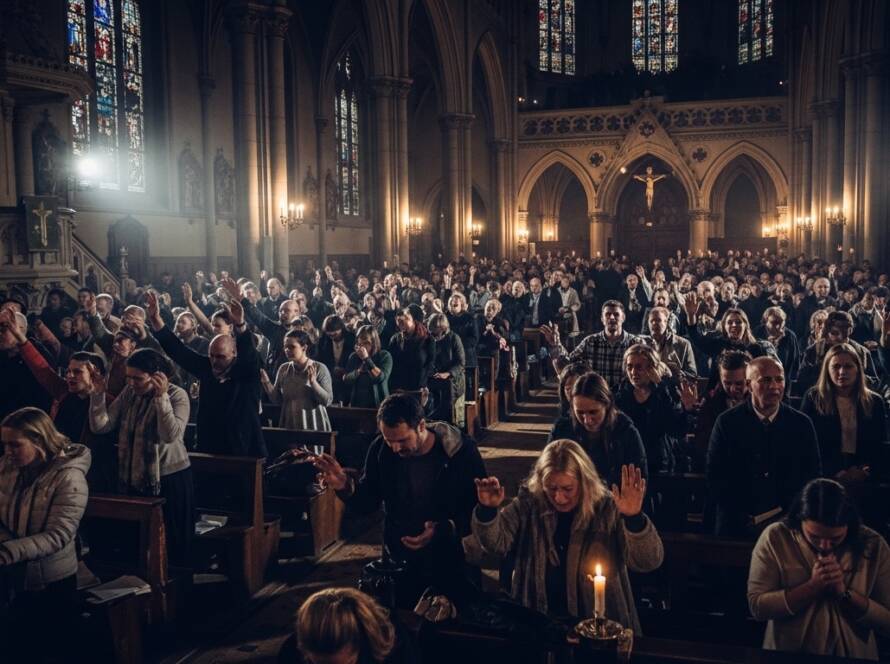
“When God Chose the Unlikely”
In a time when Los Angeles was growing rapidly—but deeply divided by race and class—God chose a place no one expected… and a man many would overlook.
His name was William J. Seymour.
He was the son of former slaves. Blind in one eye. Soft-spoken. Not the kind of leader people naturally followed.
But he carried something deeper than charisma:
He carried hunger.
The Cost Before the Move
Before Azusa Street, Seymour faced rejection.
He had been invited to preach—but when he taught about the Holy Spirit, he was:
- Locked out of the church that invited him
- Rejected by leaders who disagreed with him
Homeless and misunderstood, he didn’t fight back.
Instead, he did something simple:
He prayed.
Along with a small group, he began meeting in a house on Bonnie Brae Street. They waited on God—not for a meeting, but for an encounter.
The Breakthrough
In April 1906, during one of those prayer meetings, something shifted.
People began to experience:
- Deep spiritual encounters
- Intense prayer
- Supernatural manifestations
The gathering quickly outgrew the house.
They moved to an old, abandoned building at 312 Azusa Street—once a stable.
Not a cathedral. Not a polished church.
A broken place.
And God chose it.
What Made Azusa Different
1. A Revival Without Image
There was no stage performance.
In fact, Seymour often prayed with his head inside a wooden crate before services—hidden, not seen.
This was not about personality.
It was about presence.
2. Unity That Defied the Culture
At a time when segregation was the norm in America:
- Black and white worshipped side by side
- Women preached and led
- The poor and the wealthy stood on equal ground
It shocked the nation.
Some criticized it. Others couldn’t deny it.
3. Continuous Hunger
The meetings didn’t follow a schedule.
They ran:
- Morning
- Afternoon
- Night
Sometimes for hours. Sometimes all day.
People came not for a program—but because God was there.
Criticism and Controversy
Azusa was heavily criticized:
- Newspapers mocked the meetings
- Religious leaders called it emotional or extreme
- Some rejected the spiritual manifestations
Even within the movement, there were tensions and divisions over time.
Revival was powerful—but it attracted resistance.
A Fire That Couldn’t Be Contained
Despite opposition, people came from around the world.
And they didn’t just visit—they carried the fire back home.
From Azusa Street:
- Missionaries were sent globally
- Churches were planted across continents
- The Pentecostal movement was birthed
Today, hundreds of millions of Christians trace their roots back to what started in that humble building.
What This Revival Still Says Today
- God often chooses the rejected and overlooked
- Revival thrives where pride is absent
- A small, surrendered group can impact the entire world