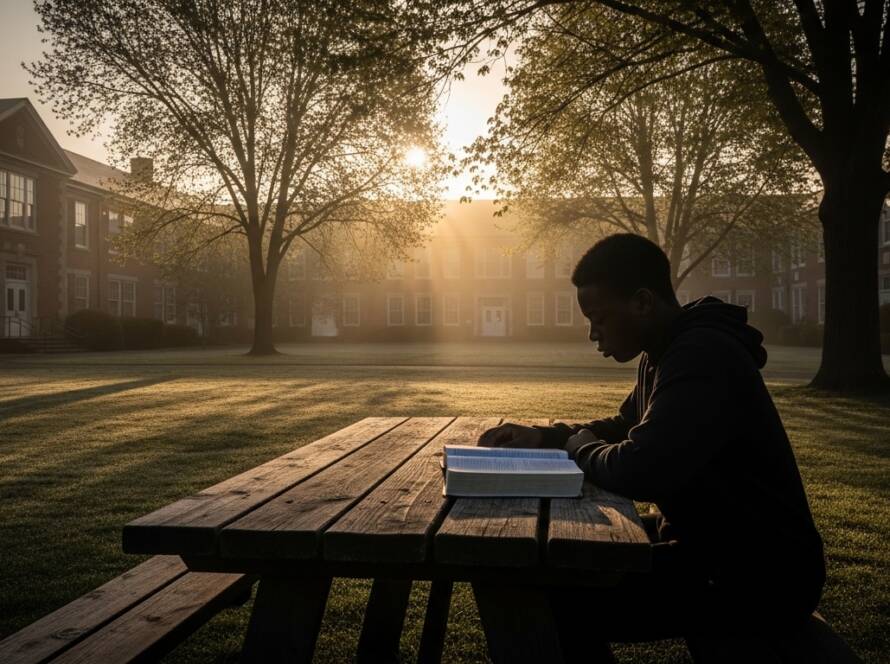
On the Isle of Lewis in Scotland, life was simple and predictable, and so was church. Services were held, Scriptures were read, but beneath it all lingered a quiet spiritual dryness that a few could no longer ignore. Among those burdened were two elderly sisters, Peggy and Christine Smith, who, though physically weak, carried a deep conviction that God would visit their land again. Night after night, they gave themselves to prayer, holding onto a promise that He would pour water on dry ground.
As they prayed, others began to join. Small gatherings formed, often lasting late into the night, with no agenda beyond seeking God. During one of those meetings, a young man stood and read from Psalm 24, questioning who could truly stand before a holy God. The words did not pass lightly. They settled heavily on those present, stirring something deeper than emotion.
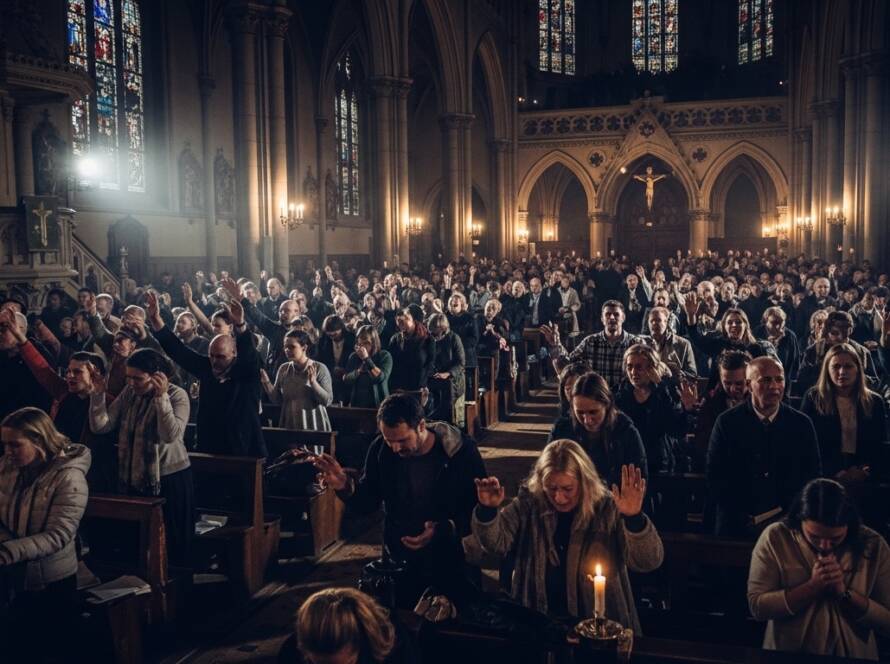
When Duncan Campbell arrived on the island, he stepped into an atmosphere already charged with expectation. The meetings he led were simple, yet it quickly became clear that something beyond human effort was unfolding. One night, after a service had seemingly ended, the congregation lingered. No one wanted to leave. Suddenly, a wave of conviction swept through the room. People began to cry out to God, some falling to their knees, others unable to speak at all.
What made this movement remarkable was how it escaped the walls of the church. In the middle of the night, people who had not attended any meeting found themselves gripped by an overwhelming awareness of God. Some got out of bed to pray without understanding why. Others gathered along the roads, weeping and seeking mercy. Even local authorities noticed unusual activity as crowds formed late at night, not for protest or celebration, but for repentance.
There were no organized altar calls, no emotional manipulation, no attempt to sustain the moment. Yet the presence of God seemed to move freely, touching homes, fields, and entire communities. Taverns grew quiet, conversations shifted, and a deep reverence settled over the island. It was not noise that marked the revival, but a profound stillness, as though heaven had drawn unusually close.
🌱 What It Produced
• A community deeply aware of God’s holiness
• Spontaneous repentance without external prompting
• Prayer becoming a natural response, not a forced practice
• Lives quietly but permanently transformed
• A testimony that revival can be carried by ordinary people yielded to God